Kishin Dada: Shikarpur se Ulhasnagar
For Kishin Dada (Kishinchand Lalwani), from his grandson Rohit, Pune. A fictional family.
1947 and migration stories
In many families there is one person who still calls the old town by its old name.
For Kishin Dada (Kishinchand Lalwani), from his grandson Rohit, Pune. A fictional family.

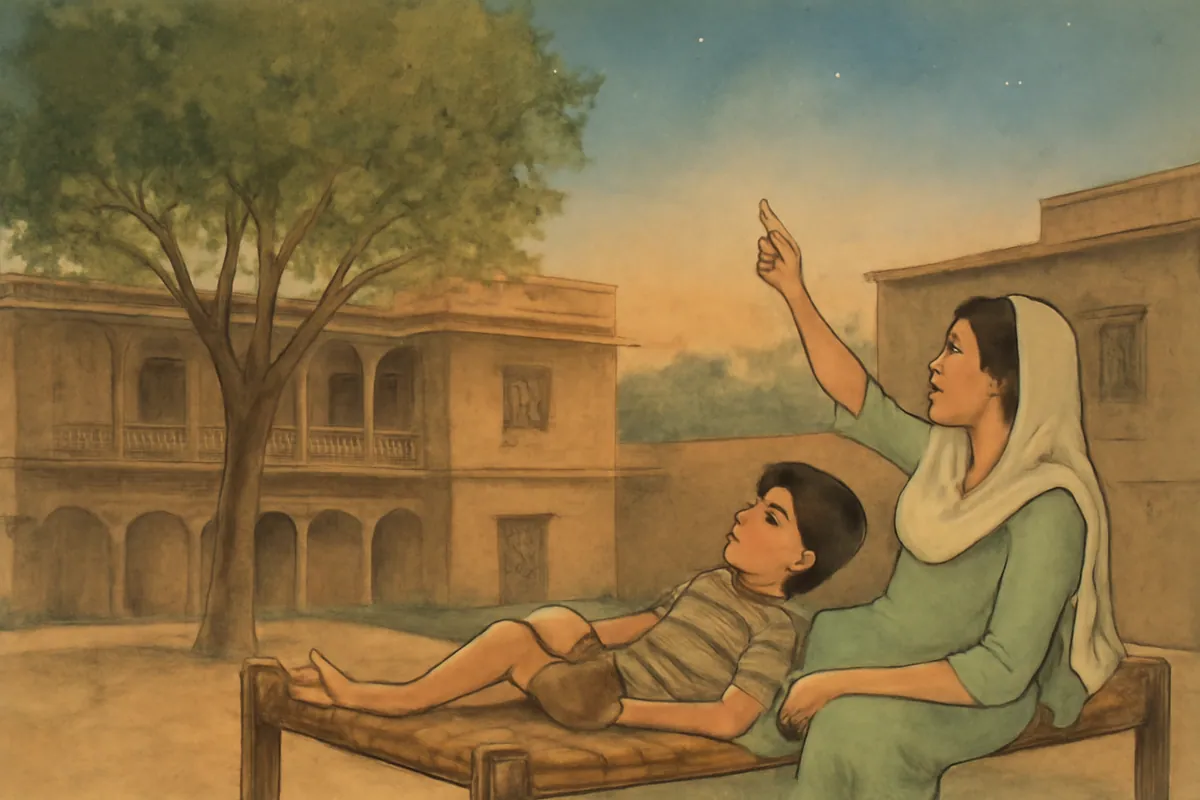


Printed copies are paid, so each household in the family can keep one.
The old place and the new in the title, over an old family portrait or a photo of the elder today. For example, Lyallpur Se Ludhiana: Bauji's Story.
A short opening note on who asked for the book and who told it. If a family member recorded the answers on the elder's behalf, the book says "as told to" and names them.
The house, the lane, the neighbours, the school and the festivals, as the elder remembers them. Places keep the names the elder uses, and their own dialect words stay in, with a small glossary at the back.
What the family took with them and who helped on the way. This chapter holds only what the elder chose to say. A skipped question leaves no gap and no placeholder.
Arriving, finding work, the first home and the people who made room for the family. Photos and old documents sit beside the chapters that mention them.
What the elder misses most about the old place, the objects that came along, and a message for the grandchildren. This is one family's memory, not a history book, so we never add events or facts the elder did not tell.
Making the book and saving the PDF is free. Printing is optional and paid, and we confirm the price and delivery date by email before you pay.
Photo books are laid out on your device and the photos never leave it. For illustrated books, up to three photos are used once to draw the character and then deleted. See privacy.
Yes. The questions work for families who moved from Punjab, Sindh or Bengal in 1947, and for families who moved in the years around 1971. Experiences of that time vary by family, region and community, so the book follows only what your elder tells.
Every question has a skip button, and the elder can say "later" or stop at any time. Nobody is asked to go further than they want to, and a skipped question leaves no gap in the book. If remembering brings up distress that stays, please pause the book and talk to a doctor or counsellor. This is general guidance, not medical advice.
He does. Before any question is sent, he gets a short message in his language asking if he would like to take part, with the choice to start now, later or not at all. He can skip any question and stop whenever he likes.